Rapper Santy Sharma Slams Viral CJP Movement as 'Internet Drama'
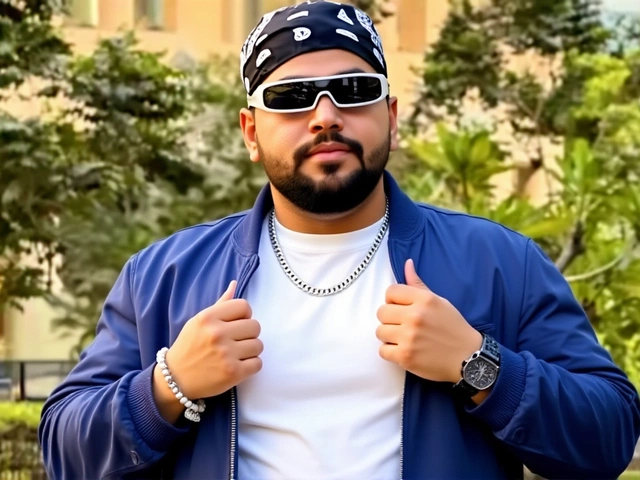
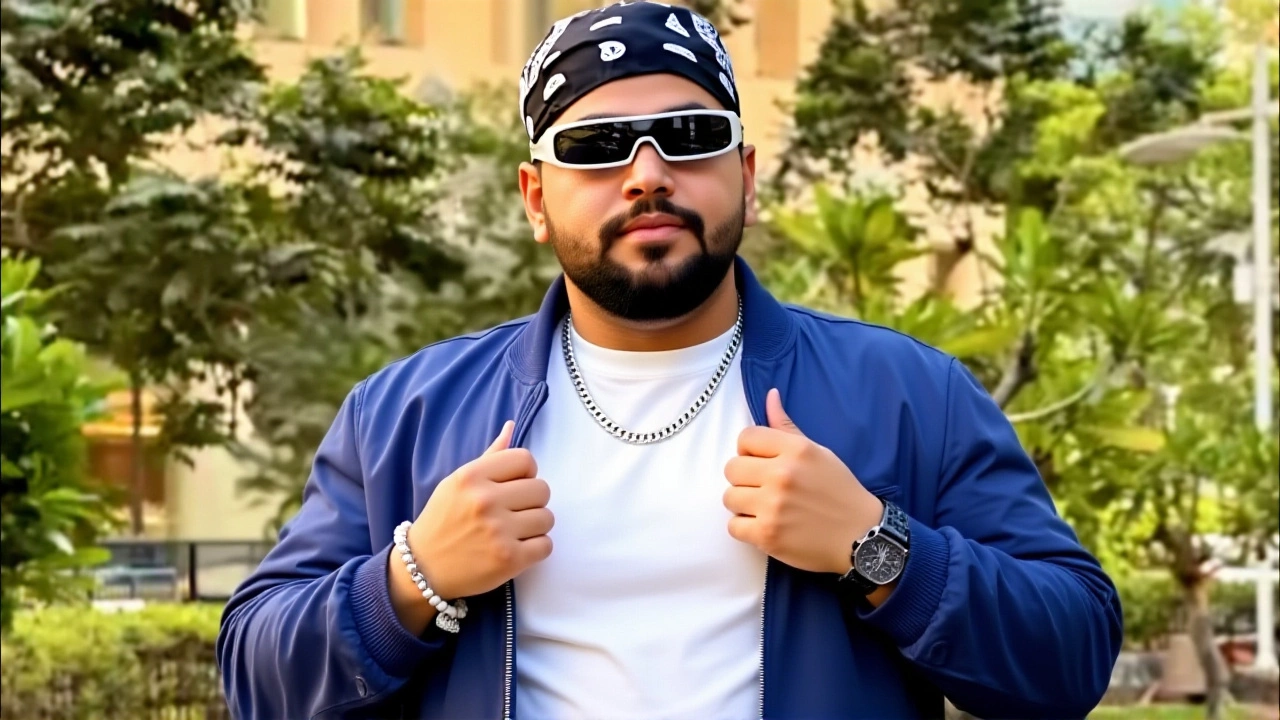
When Santy Sharma, rapper and digital creator, took to Instagram on May 25, 2026, he didn't just drop a track—he dropped a bombshell. The 29-year-old artist dismissed the rapidly spreading Cockroach Janata Party (CJP) movement as mere "internet drama," sparking an immediate firestorm across social media platforms.
The controversy centers on whether this viral phenomenon is a legitimate political awakening for India's youth or just another fleeting online trend. Here's the thing: in an era where hashtags can topple reputations overnight, Sharma’s blunt assessment has forced millions of users to pick a side.
The Spark That Ignited the Debate
Sharma’s post wasn't subtle. He wrote that the CJP movement "looks more like internet drama than any serious agitation." This direct criticism came at a time when the movement was gaining significant traction among Gen-Z users frustrated by unemployment, inflation, and academic pressure.
"These days, many people start supporting any online movement without full knowledge," Sharma stated in his lengthy caption. He urged young Indians to keep their eyes open before joining any internet trend, suggesting they focus instead on real issues like employment and education.
The reaction was instantaneous. Within hours, the hashtag #CJPDrama began trending alongside #SantySharmaControversy. Supporters of the movement felt insulted, arguing that their grievances were being trivialized by someone outside the political sphere. Critics, however, praised Sharma for calling out what they saw as performative activism.
What Is the Cockroach Janata Party?
To understand the backlash, you need to know what sparked it. The Cockroach Janata Party started as a satirical digital campaign highlighting systemic failures in Indian society. Its name—referencing the resilience of cockroaches—was meant to symbolize how ordinary citizens survive despite neglect from authorities.
Initially confined to meme pages and student groups, the movement evolved into a broader commentary on governance. By late May 2026, it had amassed over 2 million followers across Instagram and Twitter. Young professionals and college students used the platform to share stories of job rejections, rising tuition fees, and housing crises.
But wait—the twist is that no formal leadership exists. There are no registered offices, no manifesto, and no candidate list. It’s purely organic, driven by user-generated content. That lack of structure is exactly what Sharma criticized, arguing that true change requires organized effort, not just viral posts.
Why Sharma’s Words Hit Different
Santy Sharma isn’t just any celebrity throwing opinions around. Known for hits like "Mujhe Pyar Kar," "Gangsta," and "Udaan," he has built a reputation for speaking his mind. His fanbase trusts him because he rarely filters his thoughts—a trait that makes his critiques carry weight.
In one interview earlier this year, Sharma said, "Music connects us, but silence divides us." Now, those same fans find themselves divided over his stance on CJP. Some argue he’s protecting them from manipulation; others believe he’s dismissing valid concerns about economic hardship.
Interestingly, Sharma himself acknowledged the complexity. In a follow-up story, he clarified: "I’m not saying these problems don’t exist. I’m saying shouting online won’t fix them. We need action, not algorithms."
The Ripple Effect Across Social Media
The debate spilled beyond entertainment circles. Political analysts weighed in, noting that movements like CJP reflect deeper dissatisfaction with traditional politics. Dr. Anjali Mehta, a sociologist at Delhi University, told reporters: "This isn’t just about memes. It’s about disenfranchised youth seeking visibility. Dismissing it entirely ignores the root causes." Meanwhile, tech experts pointed out the danger of echo chambers. When trends spread unchecked, misinformation thrives. A recent study by the Centre for Internet and Society found that 68% of viral political claims on Indian social media lacked verifiable sources.
On the ground, reactions varied wildly. In Mumbai, college students held flash mobs supporting CJP, chanting slogans against unemployment. In Bangalore, IT workers shared infographics debunking exaggerated claims made under the CJP banner. Even family WhatsApp groups became battlegrounds for opinion wars.

Historical Context: From Hashtags to Movements
This isn’t the first time social media has reshaped Indian discourse. Remember the #MeTooIndia wave in 2018? Or the farmer protests amplified through live streams in 2020? Each case showed how digital tools could mobilize masses—but also how quickly momentum could fade without concrete outcomes.
CJP differs because it lacks clear demands. Unlike previous campaigns tied to specific legislation or policy changes, its message remains vague: “We’re tired.” While emotionally resonant, vagueness limits impact. As journalist Ravi Shankar noted in *The Hindu*, “Anger needs direction. Without goals, it dissipates into noise.”
Still, history shows us that seemingly small sparks often ignite larger fires. The Arab Spring began with a single tweet. Black Lives Matter grew from local vigils to global solidarity. Whether CJP follows suit remains uncertain.
What Happens Next?
For now, the dust hasn’t settled. Sharma continues receiving both praise and hate messages daily. Meanwhile, CJP supporters have launched counter-campaigns, creating videos explaining their vision for reform. Some even invited Sharma to join a dialogue session—an offer he hasn’t accepted yet.
Observers suggest watching three key indicators: First, will major news outlets cover CJP seriously? Second, will educational institutions host debates on its merits? Third, will policymakers respond directly to its concerns? These factors will determine if CJP transitions from trend to transformation.
One thing’s certain: the conversation has shifted. Whether you agree with Sharma or not, his words forced everyone to ask themselves—are we participating in meaningful change or just chasing clout?
Frequently Asked Questions
Who is Santy Sharma?
Santy Sharma is a 29-year-old Indian rapper, singer, and digital creator known for independent music releases such as "Mujhe Pyar Kar," "Gangsta," and "Udaan." He gained popularity for candid social media commentary on cultural and societal issues, building a loyal following among young audiences who appreciate his unfiltered perspective.
What is the Cockroach Janata Party (CJP)?
The Cockroach Janata Party is a decentralized, user-driven online movement originating in mid-2026. It uses satire and humor to highlight challenges faced by Indian youth, including unemployment, inflation, and educational stress. With no formal leadership or registration, it operates entirely through social media engagement and viral content creation.
Why did Santy Sharma criticize the CJP movement?
Sharma argued that CJP resembles "internet drama" rather than a structured political initiative. He expressed concern that many participants support movements without understanding underlying issues, urging young people to prioritize tangible solutions over symbolic gestures. His critique focused on accountability and strategic planning in activism.
How has the public reacted to Sharma’s comments?
Reactions have been polarized. Supporters commend Sharma for encouraging critical thinking and rejecting superficial activism. Opponents accuse him of undermining grassroots efforts and ignoring systemic inequalities. The debate intensified across platforms, generating millions of views and igniting discussions about the role of influencers in shaping civic discourse.
Is CJP likely to influence actual policy changes?
Currently, there’s no evidence linking CJP to legislative proposals or government responses. Experts note that while awareness-raising is valuable, sustained impact requires coalition-building, data-backed arguments, and engagement with decision-makers. Until then, CJP remains primarily a cultural phenomenon reflecting widespread frustration rather than a policy driver.