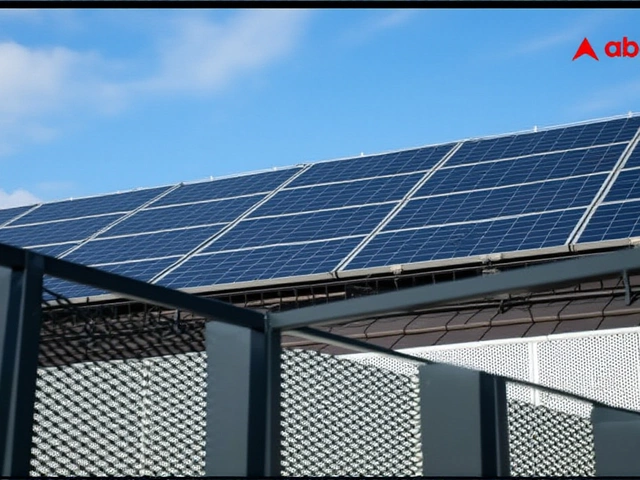
Rajasthan to Install Free Solar Panels for 2.7 Million Families in 2025
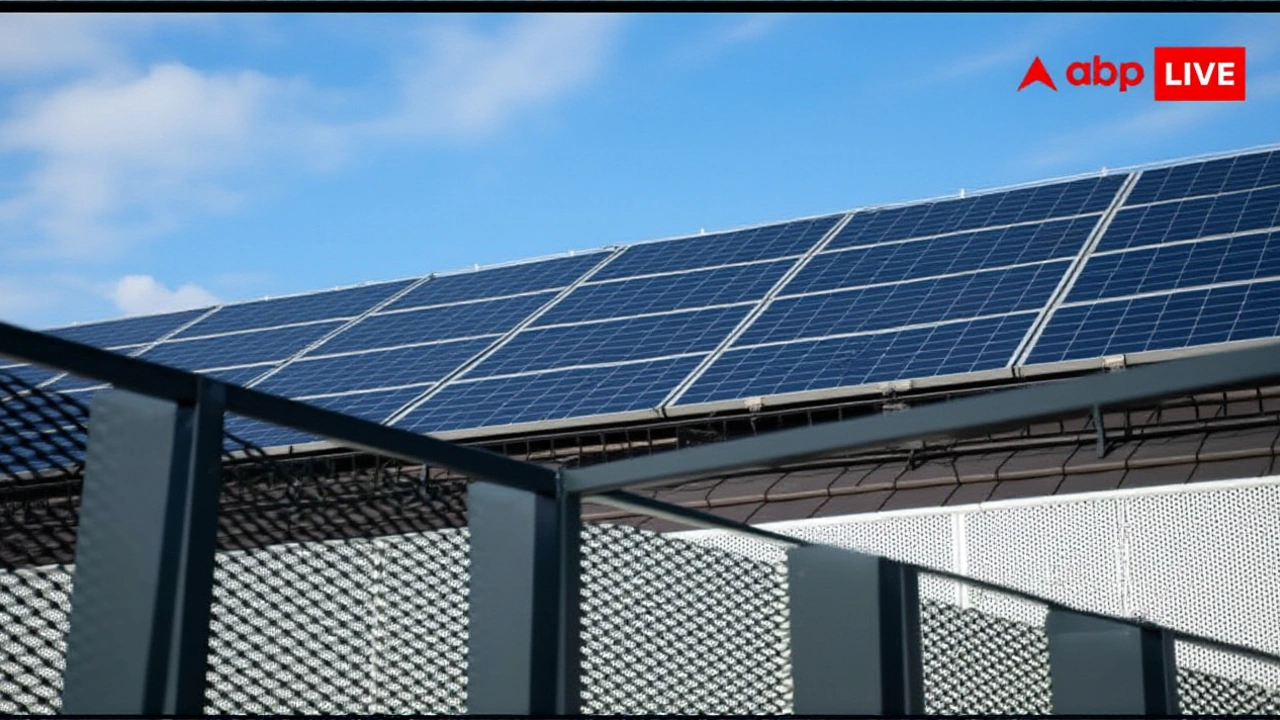
When Rajasthan Government announced it would install free rooftop solar panels for 2.7 million households, it signaled a massive shift in how India’s sunniest state plans to tackle energy costs. The initiative, launched under the Chief Minister’s Free Electricity SchemeRajasthan, promises not just lower bills but a complete overhaul of domestic power consumption for millions.
Here’s the thing: this isn’t just about saving money on monthly statements. It’s about integrating state-level welfare with national green energy goals. By linking local subsidies to the central government’s broader solar ambitions, Rajasthan is creating a model that other states are already watching closely. For families who’ve struggled with rising tariffs, this feels like a lifeline.
The Numbers Behind the Initiative
The scope of this project is staggering. Under the new plan, 2.7 million registered families will receive 1.1 kW rooftop solar systems entirely at no cost. That’s nearly 3% of the state’s population directly benefiting from clean energy infrastructure installed right on their roofs.
But wait—the benefits extend further. The state has increased its free electricity allowance from 100 units to 150 units per month. This expansion means approximately 10.4 million domestic consumers across Rajasthan will now pay zero rupees for their first 150 units of electricity each month. For a typical household, that’s a significant chunk of monthly expenses redirected toward food, education, or healthcare instead of power bills.
Prioritization plays a key role here. Households consuming more than 150 units monthly get first dibs on panel installation. Those using less—but who have suitable roof space—are next in line. About 1.1 million low-consumption families fall into this second category, ensuring even smaller users aren’t left behind.
How the Funding Works
Turns out, the financial structure makes this feasible without burdening citizens. The total subsidy per system comes to ₹50,000 ($600 USD approx.), split between two levels of government:
- Central Government Contribution: ₹33,000 per unit
- Rajasthan State Contribution: ₹17,000 per unit
This joint funding model ensures beneficiaries don’t spend a single rupee on purchase, installation, or maintenance. Experts note this approach removes the biggest barrier to solar adoption: upfront capital costs. Without hidden fees or down payments, even low-income households can access modern energy technology.
The 1.1 kW capacity might sound modest, but it’s calibrated perfectly for average Indian homes. Most residential loads—lighting, fans, small appliances, and charging devices—fall well within this range. During peak sunlight hours, these systems often generate enough power to cover daily needs completely.
National Context: PM Surya Ghar Yojana
This state program doesn’t exist in isolation. It’s tightly integrated with the PM Surya Ghar Muft Bijli Yojana, India’s flagship national solar initiative. While Rajasthan focuses on 150-unit free limits, the federal scheme aims higher—offering up to 300 units free depending on system size.
Under the national framework, subsidies scale based on consumption patterns:
- 0–150 units/month: 1–2 kW systems eligible for ₹30,000–₹60,000 support
- 150–300 units/month: 2–3 kW systems qualify for ₹60,000–₹78,000 aid
- Above 300 units: Systems over 3 kW capped at ₹78,000 maximum subsidy
As of April 2025, over 9.5 million households nationwide had registered for the program. That widespread adoption validates the strategy while highlighting Rajasthan’s aggressive push to accelerate installations locally.
What Experts Are Saying
Energy analysts see this as more than welfare—it’s grid stabilization. “Distributed generation reduces strain on transmission lines,” notes Dr. Anjali Mehta, an energy policy researcher at Delhi University. “When millions of homes produce their own power during daytime peaks, utilities face fewer blackouts and need less expensive backup generation.”
There’s also an economic angle. Savings from reduced electricity bills translate into increased disposable income. Rural economists estimate that freeing up ₹1,500–₹2,000 monthly per household could inject billions into local economies through increased spending on essentials and services.
However, challenges remain. Maintenance responsibility after warranty periods, quality control of installed equipment, and equitable distribution in remote areas require careful monitoring. Early reports suggest strict vendor registration processes aim to address these concerns.
Next Steps for Beneficiaries
If you’re eligible, the process starts online. Visit the official portal, select ‘Consumer,’ verify your mobile number via OTP, and submit your application. After approval, your local DISCOM (distribution company) conducts feasibility checks before assigning certified vendors for installation.
For group housing societies and resident welfare associations, separate provisions allow shared rooftop installations up to 500 kW capacity, subsidized at ₹18,000 per kilowatt. These setups commonly power common areas like EV charging stations and street lighting.
Loan facilities complement the subsidy structure. Eligible families can access collateral-free loans at around 7% interest for systems up to 3 kW, making larger installations accessible even if immediate cash flow is tight.
Frequently Asked Questions
Who qualifies for free solar panels in Rajasthan?
Any household registered under the Chief Minister’s Free Electricity Scheme qualifies. Priority goes to those consuming above 150 units monthly, followed by lower-consuming families with available roof space. You must be classified as a domestic consumer and officially enrolled in the state database.
Do I need to pay anything for installation?
No. The entire ₹50,000 cost per system is covered jointly by central and state governments. There are no hidden charges for purchasing panels, labor, or initial setup. Maintenance warranties typically last 5–10 years depending on manufacturer terms.
How does this connect to the national PM Surya Ghar scheme?
Rajasthan’s program aligns with federal guidelines while offering enhanced local benefits. Where the national scheme caps free units at 300, Rajasthan guarantees 150 units free regardless of system size. Both programs share subsidy structures and vendor networks, allowing seamless integration.
Can apartment residents benefit from this?
Yes, through collective action. Group Housing Societies and Resident Welfare Associations can apply for shared rooftop installations. Subsidies reach ₹18,000 per kW for communal systems powering elevators, water pumps, and parking lots, benefiting all members indirectly.
What happens if my roof isn’t suitable?
If structural assessments deem your roof unsafe for mounting, you won’t receive physical panels but still qualify for the 150-unit free electricity benefit. Some municipalities explore community solar gardens where multiple ineligible households share output from centralized installations.
Is there a deadline to register?
While no hard cutoff exists yet, early registration improves chances due to phased rollout priorities. High-consumption users are targeted first. Check your local DISCOM office or official portal regularly for updated timelines specific to your district.
Ethan Sinclair
As an expert in advertising, computer software, electronics, small business, and technology, I'm passionate about helping others navigate the digital landscape. I enjoy writing about digital marketing strategies, and my work has been featured in various industry publications. With a knack for making complex concepts easy to understand, my goal is to empower businesses to harness the power of technology to achieve their goals. I'm always on the lookout for the latest trends and developments, and I'm excited to share my insights with others.
About
Welcome to Digital Beginner Hub, your ultimate online destination to kickstart your digital journey. We provide an extensive range of resources, tutorials, and expert advice to empower beginners in the digital world. Join our community and gain the skills and confidence to navigate the ever-evolving digital landscape with ease.